M A C U D A
MACUDA Logo

About MACUDA

MACUDA coordinates cultural preservation, community action, and development projects for Mankong people across chapters.

READ MORE

Contact Info

Call Now

+237 670 000 000

Email Now

info@macuda.org

Location

Bamunkumbit, Mezam, North West Region, Cameroon

History and Origin

HISTORY & ORIGINS

The Roots of the Mankong People and the Bamunkumbit Story

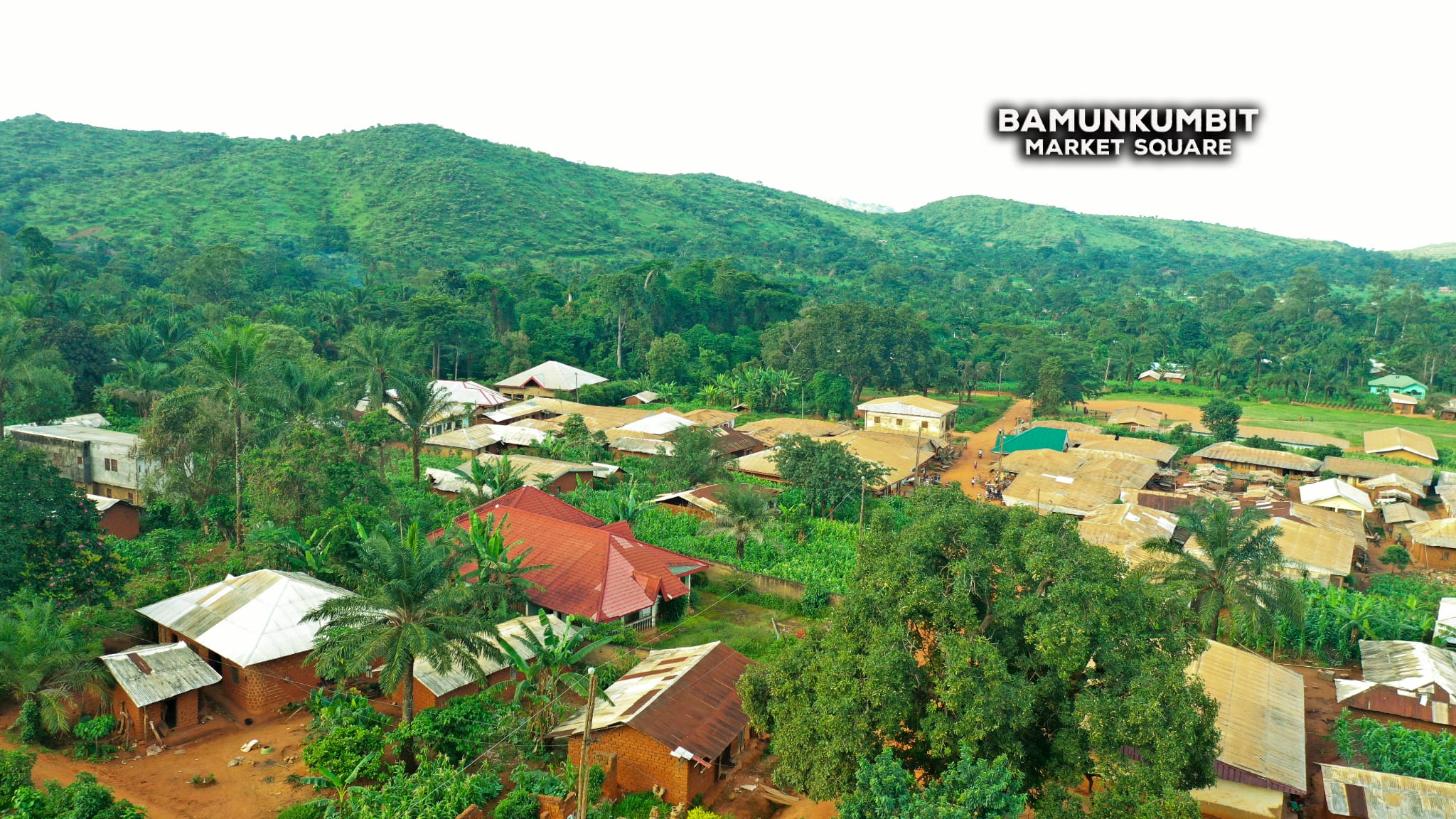
Bamunkumbit (locally Mankong) — Ngo‑Ketunjia Division, North West Region, Cameroon. Coordinates: 5.817°N, 10.417°E. The village sits among neighbouring communities such as Bafanji, Balikumbit and Bambalang and is anchored by river valleys and upland farmland that shape local livelihoods. Bamunkumbit, officially recorded as Bamunkumbit and commonly called Mankong, is one of the ancestral Mangeh villages. Local tradition holds that the progenitor Mangeh had five children: two sons (Tuningmungwa and Chengfong) and three daughters (Byiae, Vhenji and Mekheng). Each child founded a sister settlement — Bambalang, Bamunka, Bamali, Bafanji and Bamunkumbit — forming a linked network of communities that share kinship ties and ceremonial obligations. The story of Mekheng, credited with founding Bamunkumbit, remains central to the village’s identity and ritual calendar. Bamunkumbit carries a rich historical identity shaped by migration, kinship, traditional authority, and collective resilience. This page preserves the origin narrative of the Mankong people and documents key moments that define the community's growth from ancestral settlements to a global network through MACUDA.

6

Documented milestones

7+

Centuries of history

3

Leadership profiles

17thc

Founding era

History of Mankong
Migration & Settlement
Oral Tradition
Royal Lineage
Community Values
Identity & Memory
Global Diaspora
OUR STORY

How the Mankong People Remember and Transmit

Two pillars that sustain the community's identity across generations.
Oral Tradition
Oral Tradition

Through storytelling, proverbs, and ceremonial songs, the Mankong people have preserved knowledge and values across centuries without the need for written records. Elders remain the custodians of the community's memory, passing down narratives of migration, founding figures, and governance to each new generation.
Memory, Identity and Continuity

Across changing times, Bamunkumbit has preserved language, customs, and leadership structures that sustain unity and cultural continuity. Identity is reinforced by shared values and a sense of belonging that transcends generations. The interplay of memory, identity, and continuity forms the foundation of Bamunkumbit's enduring legacy, enabling the community to navigate change while honouring its roots.

HISTORICAL MILESTONES

From Founding Roots to Global Community Presence

Key periods in Bamunkumbit history — refined by the traditional council and documented archives.
Unification of the Nine Villages Pre-19th Century
Unification of the Nine Villages

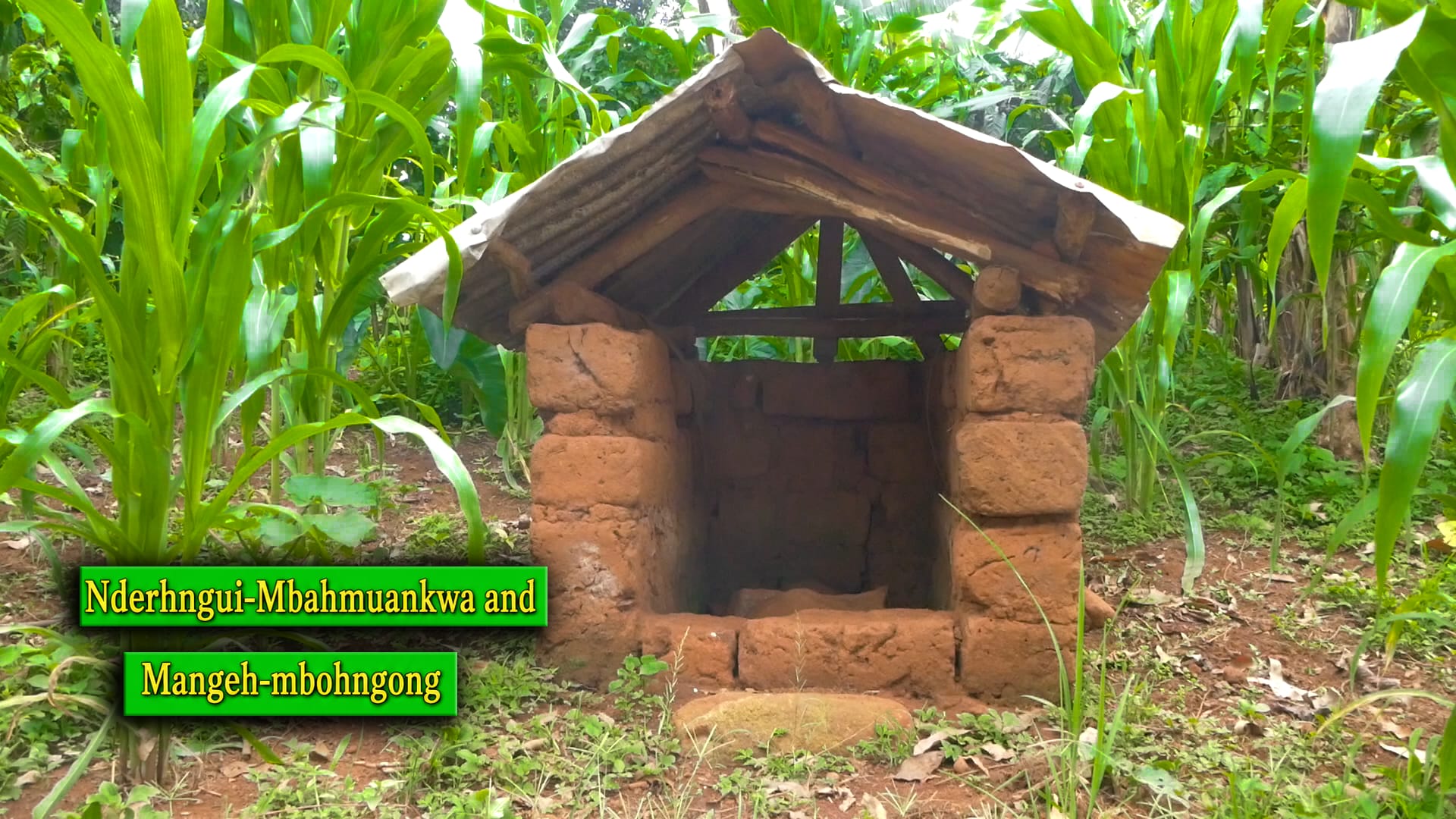
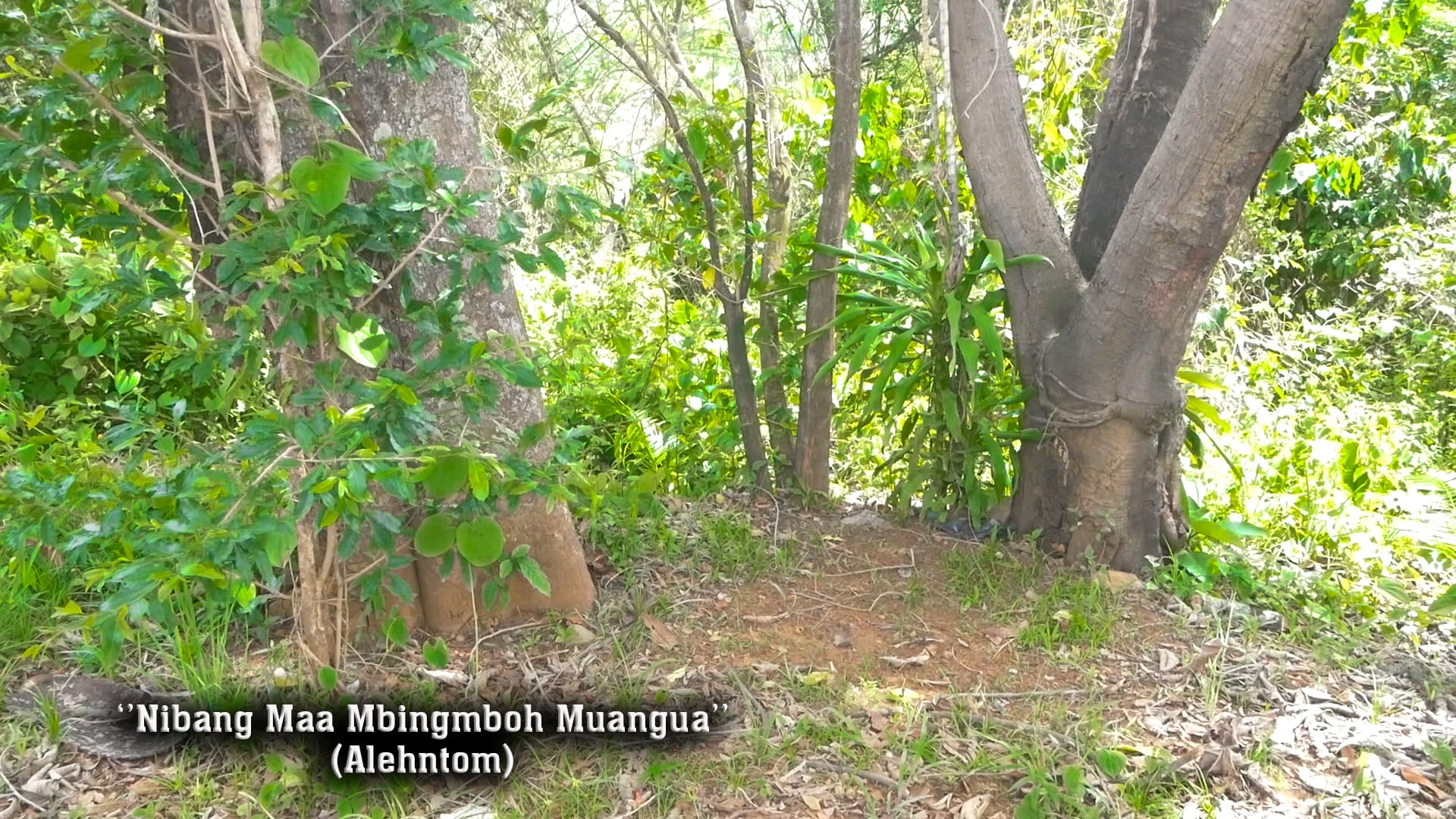
Following the migration from Mbashe, nine distinct family groups—each with their own settlements—agreed to unify under the protection of a single paramount Fon. This historic alliance was formalized at the site now marked by the Nibang-nket Painted Hut, establishing the foundations of Mankong identity and collective solidarity.

This unification created the social structure of "nine pillars" that still governs community solidarity and customary protocols today.

The Battle of Mankon Late 19th C. - 1901
The Battle of Mankon

The Mankon warriors valiantly resisted German colonial expansion. Despite being outnumbered and facing advanced weaponry, they successfully repelled German and Bali forces in two initial conflicts before final defeat in 1901.

This period of resistance is a testament to the bravery and military organization of the Mankon people.

Formation of Traditional Leadership 19th - Early 20th C.
Formation of Traditional Leadership

Leadership lineage evolved to provide governance, customary justice, conflict resolution, and stewardship of community land and values. Chiefs and councils of elders formalized decision-making processes, defined customary law, and established protocols for diplomacy with neighbouring communities.

These structures created a resilient governance model that adapted through colonial contact while preserving the authority and legitimacy of traditional institutions.

Community Development Expansion 20th Century
Community Development Expansion

Education, health, and social initiatives accelerated local transformation while preserving the cultural foundations of the Mankong people. Schools were built, healthcare access improved, and community cooperatives emerged as vehicles for economic empowerment and shared progress across Bamunkumbit.

This period marked a decisive shift toward structured development, balancing modernisation with a firm commitment to cultural continuity and intergenerational knowledge transfer.

Mankon Museum Modernization Completed 2000 - Present
Mankon Museum Modernization Completed

The Mankon Museum at the entrance to Mankon Palace in Bamenda became a public cultural landmark for preserving palace objects, art, craft, and Grassfields heritage. It is part of the wider heritage context already documented by the site alongside Mankon leadership and MACUDA cultural development work.

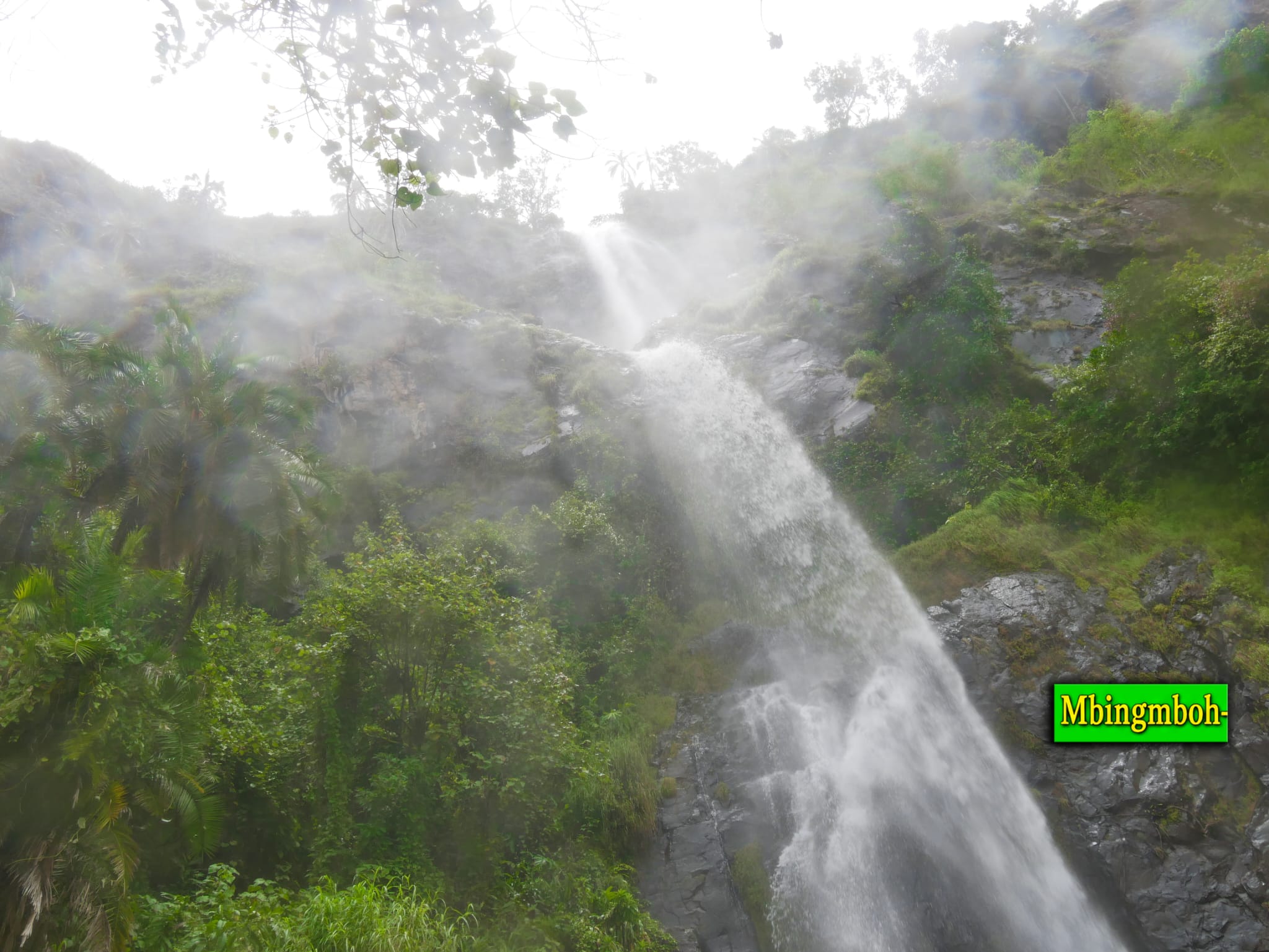
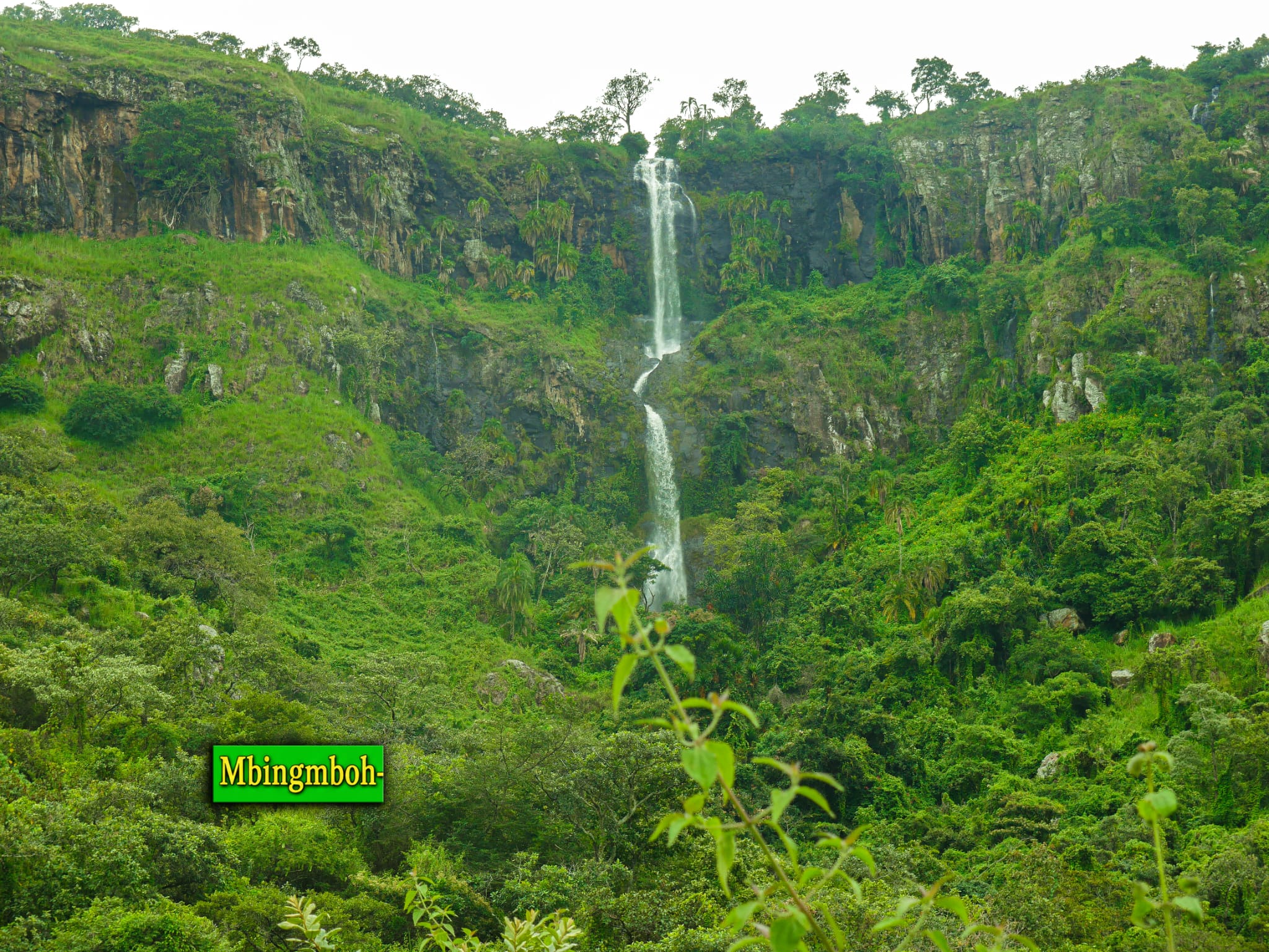
This is related Mankon palace heritage in Bamenda; Bamukumbit shrines and waterfall remain the core local Mankong tourism sites.

MACUDA Global Conventions 2006 - Present
MACUDA Global Conventions

The Mankon Cultural and Development Association expanded its reach globally, initiating annual conventions to unite the diaspora. The first such gathering in the United States took place in Minneapolis, Minnesota, in 2006.

These conventions foster cultural exchange, strengthen kinship ties, and mobilize resources for development projects in the homeland.

Community history
COMMUNITY VALUES

Origin Narrative and Shared Values

The Bamunkumbit origin account reflects a people shaped by solidarity, respect for elders, and commitment to shared progress. Through traditional authority and community assemblies, values such as service, responsibility, and collective dignity have remained central.

This platform creates a permanent digital record so younger generations can learn where they come from, while global branches remain connected to their ancestral identity and development priorities.

Explore Culture & Traditions
LEADERSHIP LINEAGE

Documenting Past and Present Community Leadership

This section records the leadership lineage of Bamunkumbit, including reign periods, major contributions, and governance milestones that shaped social order and development.